

Why Ample Home Care exists
Care at home should feel human—and work as a system.
Ample Home Care helps families support someone they love without asking one relative or one caregiver to carry everything alone.
Talk to our care team
The need we saw
Families needed more than a name and a phone number.
When a parent grows older, a loved one returns home from hospital or daily routines become difficult, families often have to coordinate care while balancing work, children, travel and responsibilities of their own.
The practical question is not whether the family cares. It is how to make dependable support possible when they cannot be present every hour.
The family remains family. We strengthen the support around them.
Meet the care director
More than 25 years of nursing experience behind the care.
Ample Home Care is led by a Kenyan Registered Community Health Nurse whose professional experience shapes how care is understood, planned and supported.
That nursing background brings a steady, practical perspective to every care arrangement—helping caregivers work within clear roles and giving families confidence in the support around their loved one.
Our care philosophy
Dignity in the home. Clarity behind the scenes.
Good care is both personal and organised. The person’s routines, choices and relationships matter just as much as the tasks on a plan.
See the whole person
Care begins with the individual’s abilities, preferences, culture and daily rhythm.
Respect the home
Support should fit naturally into the place where the person feels most themselves.
Keep family connected
Family members remain part of decisions, even when they live far away.
Make the plan clear
Roles, routines, communication and boundaries are understood before care starts.
Support the caregiver
Caregivers work with accredited nursing or CNA support and a clear route for concerns.
Communicate changes
Observations should travel to the right person instead of stopping at the bedside.

Care that feels like home
We begin with the life the person already knows.
A familiar chair. The way they like their tea. The time they prefer to dress. The people they want involved. Care is shaped around these details rather than forcing every person into the same routine.
- 1Listen to the person and family
- 2Understand daily needs and boundaries
- 3Match the role to the care required
- 4Review care when circumstances change
The structure behind the care
The right professional for the right responsibility.
Caregivers, accredited nurses and CNAs contribute in different ways. Keeping those roles clear protects the person receiving care and gives the caregiver somewhere to turn.
Caregiver
Everyday life at home
ADLs, personal routines, meals, movement, companionship, observation and reporting within the agreed care arrangement.
Nurse / CNA / care professional
Professional care support
Nursing care where applicable, assessment, caregiver guidance, response to reported changes and coordination of next steps within the professional’s role.
People behind the care
A team, not an isolated placement.
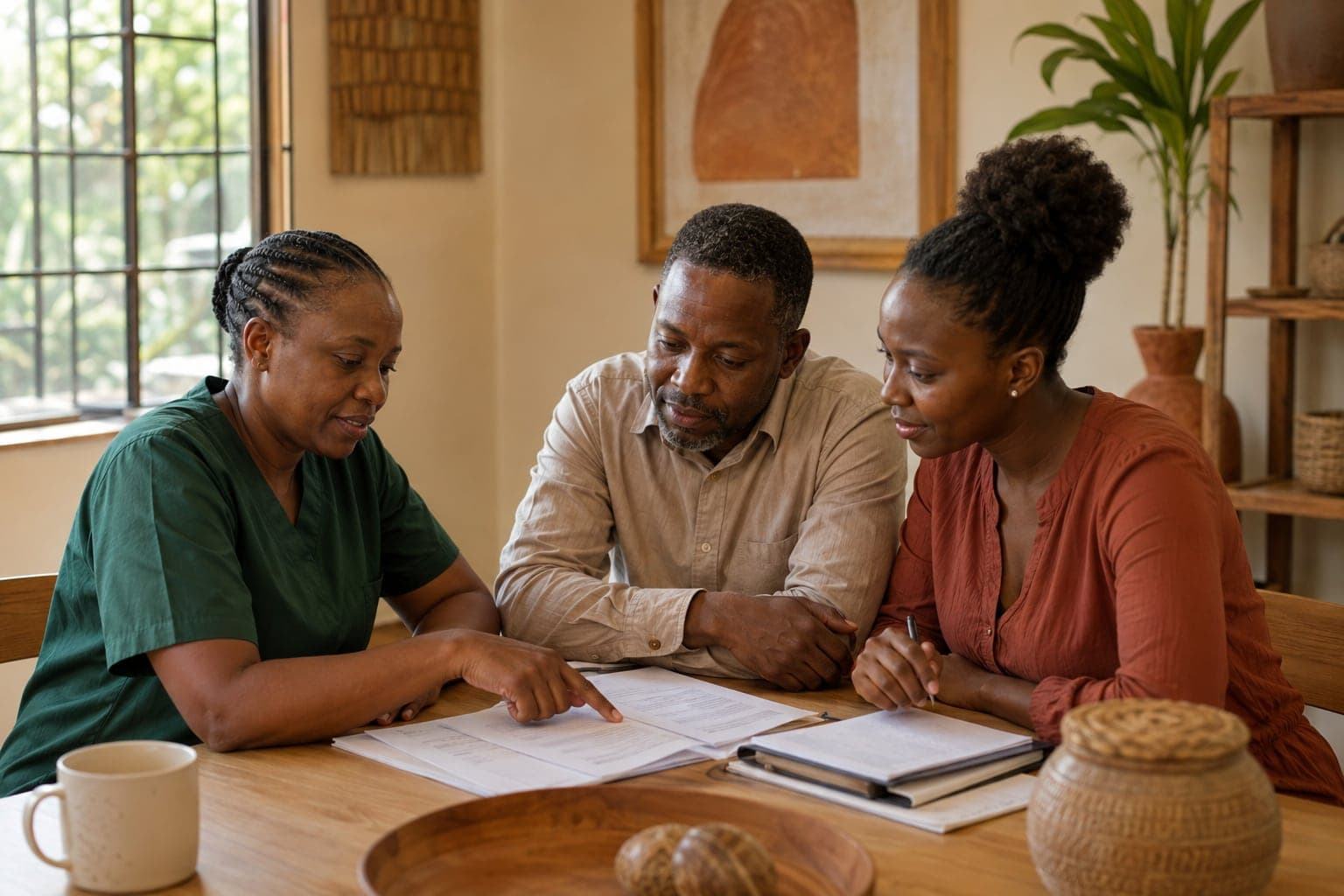
The person at home may see their caregiver most often, but good care also depends on coordinators, accredited nurses or CNAs and family members who help shape decisions around them.
Trust through evidence
What a family should be able to understand.
Before care begins, ask practical questions and expect clear answers.
Who is providing care
Understand the caregiver’s role and the scope assigned to them.
What the plan includes
Know the routines, tasks, schedule and boundaries of the arrangement.
Who supports the caregiver
Know where observations and concerns are reported.
How family stays involved
Agree the main contact, update rhythm and decision-making expectations.
A calmer next step
Care begins with understanding your family.
Tell us what is happening at home, what has become difficult and what would help everyone feel more supported.